

We want women facing the survivorship of cancer, chronic illness, and complex conditions to get the support and guidance they deserve.
The WHY Behind the Vision
I started Living After Crisis because getting through cancer wasn't the hard part. When treatment ended, no one addressed the depression, the insomnia, the early menopause at 36, or what it meant to rebuild a life I barely recognized. Mental health was an afterthought. I had to search for everything — and I was searching alone.
- Vanessa Joy Walker, MPH, Founder of LAC

Transforming the approach to the intersection of mental health and survivorship support
Crises are unavoidable and full of factors beyond our control. But how we approach a crisis or a new diagnosis can be controlled. Women living with chronic and complex conditions are significantly more likely to experience depression and anxiety—yet care systems rarely address these together.
At Living After Crisis, support is not one-size-fits-all. Women can start with one-on-one coaching, dive into our story-driven micro-learning content, pursue advocacy training, or join a healing experience designed for survivors. Practical peer support and education developed in collaboration with lived experience and clinical experts are critical elements of our approach.
Our goal is to meet women where they need us while creating resources and tools that bridge gaps among clinicians, care partners, patients, and any woman facing the chronic condition of survivorship.
Amplifying Voices for Change
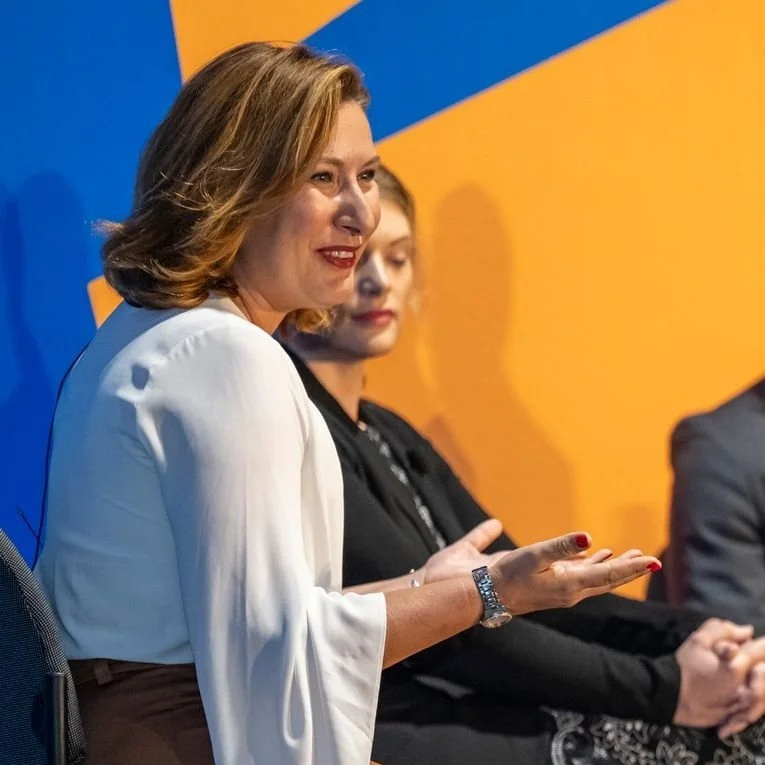
Each person's journey from survivor to advocate is unique, yet many face common barriers. Individuals who are passionate about creating change often feel uncertain about where to begin. They have powerful lived experiences to share, but aren't sure how to translate them into effective advocacy. The financial burden of attending advocacy events in Washington, D.C., and other locations can also make these opportunities out of reach for many individuals and small nonprofits.
Every voice matters and is essential in shaping the future of healthcare and support systems. Advocacy takes many forms – from sharing your story with policymakers to supporting local initiatives, participating in research studies, and mentoring others. By breaking down barriers to participation and providing comprehensive training and support, we're building a more inclusive and accessible advocacy landscape where every survivor can create meaningful change.
